Planning a Casino-Image Reading Evening
Plan a casino-image reading evening with a focused image set, a reusable prompt sheet, and a clear session flow that turns casual looking into lively discussion.
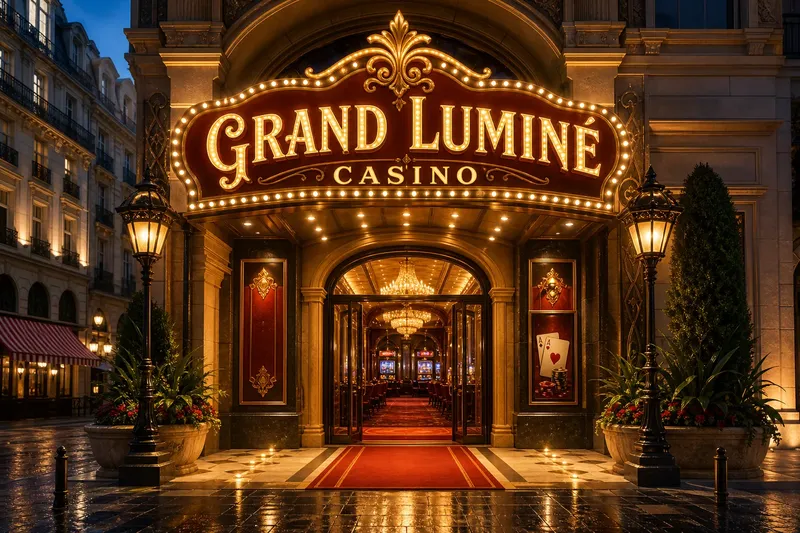
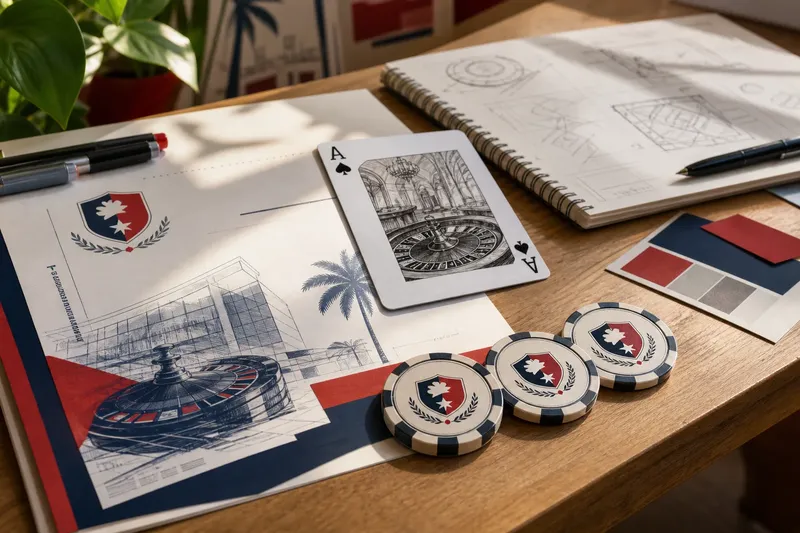
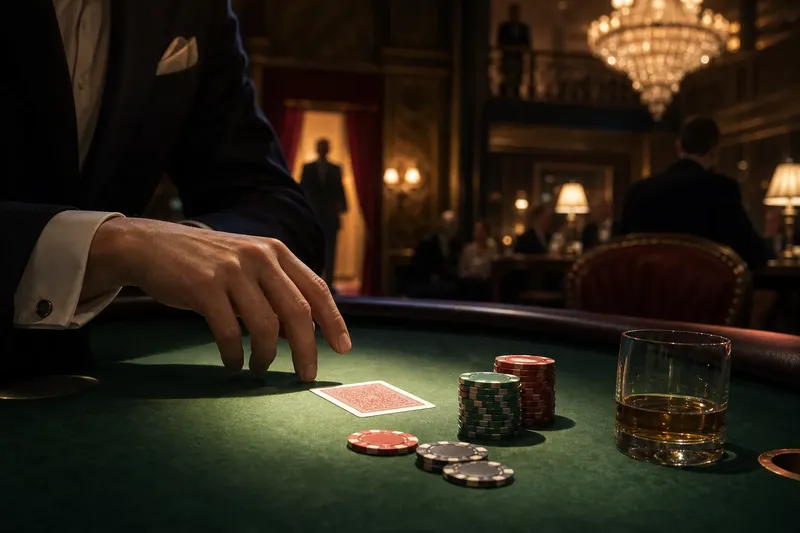
Three images sit beside a stack of blank cards: a polished casino lobby, a film still, and a hand-drawn game room. A casino-image reading evening can turn that modest spread into a lively conversation, without slides, specialist vocabulary, or a hunt for the one correct interpretation.
What gives a casino-image reading evening its shape?
Choose one question to hold the gathering together. You might ask how casino-themed design suggests arrival, spectacle, privacy, or play. A clear focus keeps the discussion from becoming a general debate about gambling or a contest over whether an image is attractive.
For an RMIT Vietnam gathering, the setting can be a studio, seminar room, or common space. Invite people to discuss what an image does as a designed object: how it directs attention, sets a mood, or frames a room. No one needs to speak for a campus, culture, or audience.
Set a simple ground rule: distinguish what is visible from what you infer. “There is a bright doorway at the center” is an observation; “the doorway welcomes visitors” is a reading. Both can be useful, as long as the group knows which is which.
Which images make a useful small collection?
Choose a compact set with differences the group can point to. A hotel-lobby photograph, a film still, an illustrated game room, and a student concept image shared with permission could offer contrasts in medium, mood, and setting. Avoid collecting several near-identical neon signs; they may produce quick reactions but give people fewer design decisions to compare.
Before printing or projecting an image, check its source, display permissions, and any campus or local rules that apply. If permission is unclear, leave it out or ask the rights holder. Do not include private material or imagery likely to distress participants without a clear reason and advance notice.
- Check the source and permission. If display rights are clear, include the image; if they are not, request permission or choose another image.
- Check the range of media. If every item is a photograph, add an illustration or film still; if the set already spans several media, keep it focused.
- Check the range of views. If the set contains only wide interiors, add a close crop or detail; if close views dominate, include a scene that shows how the space is arranged.
- Check that everyone can see each image. If a print is too small or a projection is hard to read, replace it with a clearer copy or display it in a larger format.
- Check for private or distressing content. If an image reveals personal information or may unsettle guests, remove it or provide a suitable alternative and clear notice.
- Check whether the set serves the chosen question. If an image offers no feature connected to the session’s focus, swap it for one with a discussable entrance, figure, surface, or layout.
Do not spend the evening searching for a supposedly perfect archive. A few well-chosen images and a clear viewing order are more useful than a large collection no one has time to read closely.
What belongs on the prompt sheet?
Keep one page of prompts and use the same questions for every image. Consistency makes comparison easier, while blank space lets participants answer with a word, sketch, or arrow instead of a polished speech.
- What do you notice first? Name a visible color, object, person, or shape.
- Where does your eye go next? Point to a path, contrast, repeated form, or interruption.
- What action does the space seem to invite? Describe the impression and name the cue behind it.
- Who appears present, absent, or unclear? Separate what the image shows from what you are guessing.
- What does not have an obvious explanation? Mark a detail that could support more than one reading.
Add a final prompt for after the discussion: “What detail did someone else notice that you missed?” It gives the group a way to record a shift in attention without requiring anyone to change their mind.
How do you prepare the room and welcome guests?
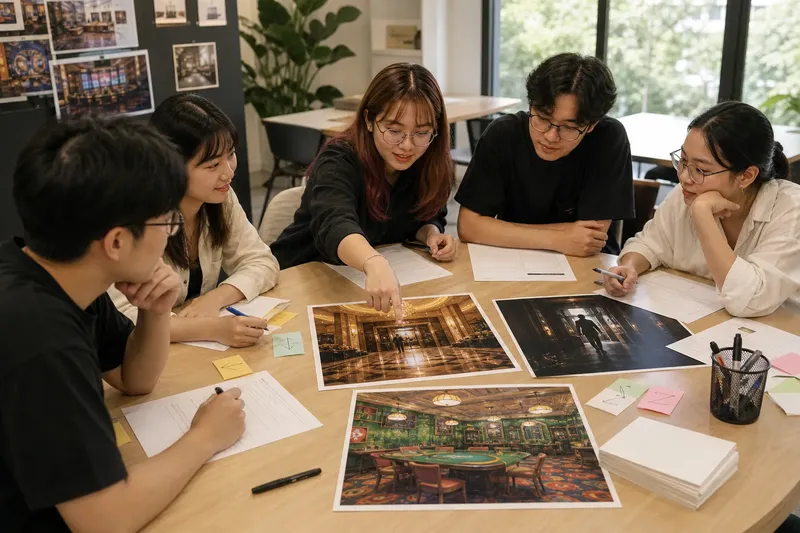
Arrange chairs so everyone can see both the images and one another. Printed cards on a central table work well for close viewing; a laptop and projector suit images that need a larger display. Open files in advance and place them in the order you plan to show them.
Set out prompt sheets, pens, and sticky notes. Keep refreshments away from printed images and electronics. There is little benefit in elaborate decorations or a complicated presentation: the images and the conversation are the evening’s materials.
In the invitation, explain that guests will look quietly, write brief notes, and talk about different interpretations. Say that passing on a question is fine. If you plan to photograph notes or share them later, ask participants first.
How can you pace the discussion?
- Welcome the group. Explain that the aim is to compare readings, not judge taste or identify a single correct meaning. Ask people to point to a visible detail when they offer an interpretation.
- Give each image a quiet look. Show one image without commentary and let everyone mark a first detail on the prompt sheet.
- Write before speaking. Give participants a moment to note observations and possible meanings privately. This lets people form a thought before the first speaker sets the tone.
- Invite observations, then readings. Ask what people can see before asking what those choices might suggest. If someone says a room feels welcoming, ask which visible cue creates that impression.
- Pause between images. Let people stretch, reread their notes, or look away. The quiet interval is part of the session, not a gap the host must fill.
- Compare the design choices. Ask how a similar cue changes meaning across settings. A brightly lit entrance in a film still may feel different from one in a hotel advertisement.
- Close with one detail. Invite each person to name something they see differently now, or to pass. Leave an unresolved question on the table rather than forcing a verdict.
Say you have three images: a glossy lobby, a shadowed film still, and a playful illustrated game room. One participant points to the lobby’s bright entrance and reads it as an invitation; another notices a figure positioned at the edge and reads the scene as carefully staged. The group writes both readings beside those details, then compares the entrance with the doorway in the film still. The resulting discussion has a concrete trail to follow, even though the participants keep their different interpretations.
How can you handle quiet moments and disagreement?
Ask questions that keep the exchange curious: “Which detail led you there?” gives someone room to explain, while “Why would you think that?” can sound like a challenge. When readings differ, place them side by side and ask what each one draws attention to.
If nobody speaks, offer a narrower starting point: ask where the eye lands first or which part of the scene seems most controlled. A quiet writing pause or a short conversation in pairs can also help. Notice who has not spoken, but do not call on anyone without warning.
When a participant draws on personal experience, listen without treating that account as representative of everyone with a similar background. And do not work too hard to resolve every ambiguity. The useful discussion may be about why an image supports competing readings, not which reading wins.
What questions might guests ask during a casino-image reading evening?
How can I keep a comment grounded in the image?
Name a visible feature first: a color, object, figure, edge, or spatial relationship. Then explain what you think it suggests, making clear that the interpretation is yours.
What should I do if the group has little to say?
Offer one specific prompt, such as “Where does your eye land first?” Give everyone a quiet moment to write before inviting responses.
How can disagreement stay constructive?
Record both readings beside the image and ask which details support each one. If the difference remains, leave it open and move to the next prompt.
When should we discuss the artist’s intention?
Use reliable context if it is available and relevant to the session. Otherwise, distinguish guesses about intention from documented information and return to the choices visible in the image.
What should you keep after the gathering?
Save only material participants agree to share. A board with a few anonymous observations, or a final spoken note, can capture what mattered without turning the evening into a transcript. Ask before photographing or circulating any written contribution.
For a future session, change one part of the focus rather than rebuilding the event. You could compare photographs with illustrations or look closely at how figures are placed in casino-themed interiors. A casino-image reading evening works best when its question is clear, its images are ready to hand, and participants have room to leave some things unresolved.